Delving into Long-term vs short-term bond investments, this introduction immerses readers in a unique and compelling narrative, with casual formal language style that is both engaging and thought-provoking from the very first sentence.
Investing in bonds can be a complex decision, influenced by various factors such as time horizon, risk tolerance, and financial goals. Understanding the differences between long-term and short-term bond investments is essential for making informed investment decisions.
Overview of Long-term vs Short-term Bond Investments
When it comes to investing in bonds, one of the key decisions investors need to make is whether to opt for long-term or short-term bond investments. Understanding the differences between the two options, along with their respective benefits, drawbacks, and risk factors, is crucial in making informed investment decisions.
Differences between Long-term and Short-term Bond Investments
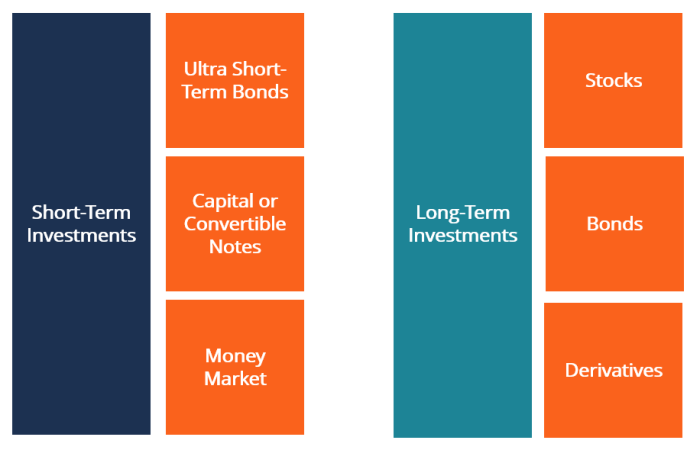
Long-term bond investments typically have maturities of 10 years or more, while short-term bond investments mature in less than five years. Long-term bonds tend to offer higher interest rates compared to short-term bonds, reflecting the longer duration of the investment.
Benefits and Drawbacks
- Long-term bonds offer higher interest rates, providing the potential for greater returns over time. However, they are also more sensitive to interest rate changes, which can lead to fluctuations in bond prices.
- Short-term bonds, on the other hand, provide more liquidity and flexibility, making them suitable for investors who may need to access their funds sooner. Yet, they typically offer lower returns compared to long-term bonds.
When to Choose Long-term over Short-term Bonds
Investors with a longer investment horizon and a higher risk tolerance may opt for long-term bonds to capitalize on higher interest rates and potentially higher returns. Long-term bonds can also be beneficial in a low-interest-rate environment where locking in higher rates for an extended period is advantageous.
When to Choose Short-term over Long-term Bonds
On the other hand, investors with short-term financial goals or those seeking more liquidity may prefer short-term bonds. Short-term bonds can be useful in times of economic uncertainty when maintaining flexibility and quick access to funds are paramount.
Risk Factors
- Long-term bond investments are more exposed to interest rate risk, as changes in interest rates can significantly impact bond prices. This risk is less pronounced in short-term bond investments due to their shorter duration.
- Short-term bonds may be subject to reinvestment risk, where investors may have to reinvest their funds at lower interest rates when the bonds mature. This risk is mitigated in long-term bonds where the interest rate is locked in for a longer period.
Characteristics of Long-term Bonds
Long-term bonds typically have a maturity period of 10 years or more, making them suitable for investors looking to hold onto their investments for an extended period of time.
Impact of Interest Rates on Long-term Bond Investments
- Long-term bonds are more sensitive to changes in interest rates compared to short-term bonds. When interest rates rise, the value of existing long-term bonds decreases, leading to potential capital losses for investors.
- Conversely, when interest rates fall, the value of long-term bonds tends to increase, offering the opportunity for capital gains for investors holding these bonds.
Potential for Higher Returns with Long-term Bonds
- Due to the longer maturity period, long-term bonds tend to offer higher interest rates compared to short-term bonds. This potential for higher returns makes them attractive to investors seeking greater yield on their investments.
- However, it’s important to note that the higher returns come with increased risk, as the value of long-term bonds can be more volatile in response to changes in interest rates.
Types of Issuers for Long-term Bonds
- Government entities, such as the U.S. Treasury, commonly issue long-term bonds to fund public projects and manage debt.
- Corporations may also issue long-term bonds to raise capital for business expansion or other financial needs.
Characteristics of Short-term Bonds
Short-term bonds are a type of fixed-income investment with unique features that cater to investors looking for shorter maturity periods and more liquidity compared to long-term bonds.
Typical Maturity Period for Short-term Bonds
Short-term bonds typically have a maturity period of one to five years, providing investors with quicker access to their invested capital compared to long-term bonds. This shorter timeline can be beneficial for those seeking to maintain flexibility in their investment portfolio.
How Short-term Bond Investments Provide Liquidity
Short-term bond investments offer liquidity to investors as they have shorter maturity periods, allowing them to access their funds relatively quickly. This liquidity can be advantageous during times when investors need to access cash or take advantage of other investment opportunities that may arise.
Impact of Interest Rate Changes on Short-term Bonds
Short-term bonds are more sensitive to interest rate changes compared to long-term bonds. When interest rates rise, the value of existing short-term bonds may decrease as newer bonds with higher interest rates become more attractive. Conversely, when interest rates fall, the value of existing short-term bonds may increase.
Risk Levels Associated with Short-term Bonds
Short-term bonds are generally considered to have lower risk levels compared to long-term bonds. This is because shorter maturity periods reduce the exposure to interest rate fluctuations and market volatility. However, it’s essential to note that short-term bonds still carry some level of risk, including credit risk and inflation risk, which investors should consider when building their investment portfolio.
Risks and Considerations in Bond Investments
When investing in bonds, it is crucial to consider the various risks involved to make informed decisions and manage your portfolio effectively.
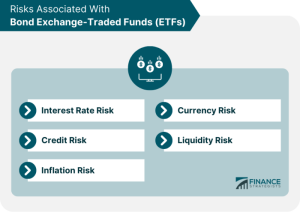
Interest Rate Risk
Interest rate risk is a significant concern for bond investors. When interest rates rise, the value of existing bonds decreases, as newer bonds offer higher yields. Conversely, when interest rates fall, bond prices tend to increase. To mitigate this risk, consider diversifying your bond portfolio with bonds of varying maturities.
Credit Risk
Credit risk refers to the possibility that the issuer of the bond may default on their payments. Bonds with lower credit ratings typically offer higher yields to compensate for the increased risk. To minimize credit risk, consider investing in bonds issued by financially stable entities or diversifying across different issuers.
Inflation Risk
Inflation risk is the danger that inflation will erode the purchasing power of your bond’s fixed interest payments. To combat inflation risk, consider investing in Treasury Inflation-Protected Securities (TIPS) or bonds with floating interest rates that adjust with inflation.
Market Conditions Influence
Market conditions play a crucial role in the performance of bond investments in both the short and long term. Factors such as economic indicators, geopolitical events, and central bank policies can impact bond prices and yields. Stay informed about market conditions to make timely investment decisions.
Diversification Importance
Diversification is key to managing risks in a bond investment portfolio. By spreading your investments across different types of bonds, issuers, and maturities, you can reduce the impact of individual bond defaults or interest rate fluctuations on your overall portfolio.
Strategies for Risk Management
To manage risks in bond investments, consider strategies such as laddering your bond maturities, investing in bond funds for diversification, and regularly monitoring your portfolio’s performance. Additionally, maintaining a long-term perspective and staying informed about market trends can help you make informed investment decisions.
In conclusion, weighing the pros and cons of long-term vs short-term bond investments is crucial for achieving financial objectives. By carefully considering factors like risk, return potential, and market conditions, investors can create a well-balanced bond investment portfolio tailored to their individual needs and preferences.
FAQ Corner
What is the main difference between long-term and short-term bond investments?
Long-term bonds typically have a maturity period of over 10 years, while short-term bonds mature in less than 5 years.
How do interest rates impact long-term bond investments?
Long-term bond prices are more sensitive to interest rate changes compared to short-term bonds, leading to potential gains or losses for investors.
Why is diversification important in a bond investment portfolio?
Diversification helps spread risk across different types of bonds, reducing the impact of adverse events on the overall portfolio performance.