Diving into the realm of Best bonds to invest in 2024, this introduction sets the stage for an enlightening exploration, blending insightful analysis with practical advice to guide investors towards optimal decisions.
Exploring the diverse landscape of bond investments, this overview highlights key aspects that investors should consider when navigating the bond market in 2024.
Types of Bonds
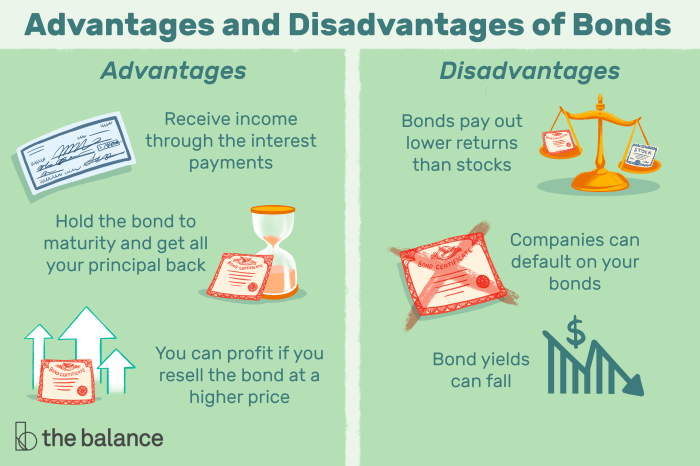
Investors have various types of bonds to choose from when looking to invest their money. These include government bonds, corporate bonds, municipal bonds, and secured/unsecured bonds. Each type of bond comes with its own set of risks and returns, making it essential for investors to understand the differences before making investment decisions.
Corporate Bonds vs. Government Bonds
Corporate bonds are issued by companies to raise capital, while government bonds are issued by governments to fund public projects and services. Corporate bonds typically offer higher returns but come with a higher risk of default compared to government bonds, which are considered safer investments. Investors looking for higher yields may opt for corporate bonds, while those seeking stability may prefer government bonds.
Benefits of Investing in Municipal Bonds
Municipal bonds are issued by local governments to fund infrastructure projects, such as schools and roads. One of the key benefits of investing in municipal bonds is their tax advantages. Interest earned from municipal bonds is often exempt from federal income tax and, in some cases, state and local taxes as well. This can make municipal bonds an attractive option for investors looking to minimize their tax liabilities.
Secured vs. Unsecured Bonds
Secured bonds are backed by specific assets of the issuer, such as real estate or equipment, providing investors with collateral in case of default. On the other hand, unsecured bonds, also known as debentures, are not backed by any collateral and rely solely on the issuer’s creditworthiness. While secured bonds offer more security, unsecured bonds typically come with higher interest rates to compensate for the increased risk.
Factors Influencing Bond Investments
When considering investing in bonds, there are several key factors that can significantly impact the performance of your investments. Understanding these factors is crucial for making informed decisions and maximizing your returns.
Interest Rates and Bond Prices
One of the most critical factors influencing bond investments is interest rates. Bond prices and yields have an inverse relationship – as interest rates rise, bond prices fall, and vice versa. This means that when interest rates are low, bond prices tend to be higher, and when interest rates increase, bond prices decrease. Investors need to consider the current interest rate environment when investing in bonds to assess potential risks and returns.
Credit Ratings in Bond Selection
Credit ratings play a significant role in bond selection. These ratings provide an assessment of the creditworthiness of bond issuers, indicating the likelihood of default. Bonds with higher credit ratings are considered safer investments but typically offer lower yields, while bonds with lower credit ratings carry higher risk but offer higher potential returns. It is essential for investors to balance risk and return based on their investment goals and risk tolerance.
Inflation and Bond Investment Strategies
Inflation can erode the purchasing power of fixed-income investments like bonds. As inflation rises, the real returns on bonds may decrease, impacting the overall performance of the investment. Investors should consider inflation when crafting their bond investment strategies, as higher inflation rates can reduce the actual returns earned on bonds. Some investors may choose to include inflation-protected bonds in their portfolios to hedge against inflation risk.
Best Bonds to Invest in 2024
As we look ahead to 2024, it is essential to consider the current trends in the bond market to make informed investment decisions. With a focus on top-performing bonds in various sectors and the outlook for government bonds, let’s explore the best options for investment in 2024.
Top-Performing Bonds in Various Sectors
Investors seeking opportunities in the bond market can look towards sectors such as technology, healthcare, or energy for potential high-performing bonds. Companies within these sectors are often at the forefront of innovation and growth, making their bonds attractive to investors.
- Technology Sector: Bonds issued by leading tech companies with a strong track record of growth and profitability can be promising investments. These companies often have stable cash flows and are well-positioned for long-term success.
- Healthcare Sector: Bonds from pharmaceutical companies or healthcare providers with a focus on innovation and development of new treatments can offer stable returns. Healthcare bonds are generally considered safe investments due to the essential nature of the industry.
- Energy Sector: Bonds from established energy companies involved in renewable energy or traditional fuel sources can provide attractive yields. Investors looking for both income and potential capital appreciation may find energy sector bonds appealing.
Outlook for Government Bonds in 2024
Government bonds are often seen as safe-haven investments due to the backing of the government issuing them. In 2024, government bonds may continue to play a crucial role in providing stability to investment portfolios amidst economic uncertainty.
Expert Opinion: “Government bonds can serve as a reliable anchor in a diversified investment portfolio, offering stability and income potential even in volatile market conditions.”
Financial Analyst
Best Bonds to Consider for Investment in 2024
When considering the best bonds to invest in 2024, it is essential to assess your risk tolerance, investment goals, and time horizon. Consulting with a financial advisor can help tailor your bond investments to align with your overall financial strategy and objectives.
Bond Investment Strategies
When it comes to investing in bonds, having a well-thought-out strategy is essential to maximize returns and manage risks effectively. Here, we will discuss some key strategies that can help you build a diversified bond portfolio and make informed investment decisions.
Diversified Bond Portfolio
Building a diversified bond portfolio involves spreading your investments across different types of bonds, industries, maturities, and credit qualities. This helps reduce the overall risk exposure to any specific bond or sector. Consider investing in a mix of government bonds, corporate bonds, municipal bonds, and high-yield bonds to achieve diversification.
- Allocate funds across various bond types to reduce concentration risk.
- Consider different maturities to balance risk and return potential.
- Include bonds with varying credit qualities to manage credit risk effectively.
Diversification is key to mitigating risks and enhancing overall portfolio stability.
Dollar-Cost Averaging
Dollar-cost averaging is a strategy where you invest a fixed amount of money in bonds at regular intervals, regardless of market conditions. This approach helps smooth out the impact of market volatility and allows you to buy more bonds when prices are low and fewer when prices are high, ultimately averaging out the cost per bond over time.
- Reduces the impact of market fluctuations on your investment.
- Encourages disciplined investing behavior over the long term.
- Minimizes the risk of making emotional investment decisions based on short-term market movements.
Consistent investing through dollar-cost averaging can lead to a lower average cost per bond and potentially higher returns over the long term.
Bond Laddering
Bond laddering involves buying bonds with staggered maturity dates to spread out reinvestment risk and maintain a steady stream of income. By creating a ladder of bonds with different maturities, investors can benefit from both short-term liquidity and long-term growth potential.
- Ensures regular cash flow from maturing bonds for reinvestment or living expenses.
- Reduces the impact of interest rate fluctuations on the entire portfolio.
- Allows for flexibility in adjusting the ladder to current market conditions and interest rate environment.
Bond laddering provides a balanced approach to managing interest rate risk and cash flow needs, offering stability and income potential for investors.
Risk Tolerance Assessment
Assessing your risk tolerance is crucial when selecting bonds for investment, as it determines the level of risk you are comfortable with and can afford to take. Factors such as age, investment goals, financial situation, and investment horizon play a key role in determining your risk tolerance and guiding your bond investment decisions.
- Evaluate your financial goals and investment time horizon to determine your risk capacity.
- Consider your emotional comfort with market volatility and potential losses when assessing risk tolerance.
- Seek professional advice or use risk assessment tools to gain a better understanding of your risk profile.
Understanding your risk tolerance can help you align your bond investments with your financial objectives and create a portfolio that meets your needs while managing risks effectively.
In conclusion, the world of bond investments in 2024 offers a myriad of opportunities for savvy investors to capitalize on, with careful considerations and strategic moves paving the way for financial success in the ever-evolving market landscape.
User Queries
What are the tax advantages of investing in municipal bonds?
Investing in municipal bonds offers tax advantages, as the interest income is often exempt from federal taxes and sometimes from state and local taxes, making them an attractive option for investors seeking tax-efficient returns.
What is bond laddering and how does it benefit investors?
Bond laddering is a strategy where an investor staggers the maturity dates of the bonds in their portfolio, reducing interest rate risk and providing a steady income stream. This strategy helps investors manage reinvestment risk and potentially capture higher yields.